A matchbox label was never designed to last. It was printed cheaply, glued to a sliver of card, struck, and thrown away. That is exactly what makes the survivors worth a second look: a 1930s box carries the colours, typefaces and small print of a Britain that has gone, and it cost almost nothing to make in the first place. Collecting them is an old hobby with a strange name — phillumeny — and it remains one of the cheapest ways into proper collecting. You can begin with a carrier bag of boxes from a house clearance and still end up with something worth cataloguing.
What matchbox collectors actually collect
Most people picture rows of little boxes, but phillumeny covers a few distinct categories, and it helps to know which one you are drawn to.
- Complete boxes. The sleeve and the inner tray, ideally as issued, with the label intact and the striker panel unpicked.
- Flat labels. Unused labels straight from the printer, either singles or full sheets, kept in albums much like stamps. Many were printed solely for collectors, which matters when it comes to value.
- Bookmatches and skillets. The folded card matches handed out by hotels, cinemas and cigarette brands. Their covers overlap with matchbox collecting and are often filed together.
One thing to rule out early: the die-cast Matchbox toy cars made by Lesney from the 1950s have nothing to do with matches beyond the shape of their packaging. They belong to a different hobby with a different market.
UK brands worth knowing
Bryant & May dominated British match making from the mid-nineteenth century, and its London factory at Bow was the setting for the 1888 matchgirls' strike — a dispute that helped change how women's work was regulated. The firm absorbed rivals and their brands over the decades, so a British collection tends to circle back to it. Swan Vestas and England's Glory are the names most people recognise, but dozens of smaller brands came and went, along with regional makers such as Moreland & Sons of Gloucester.
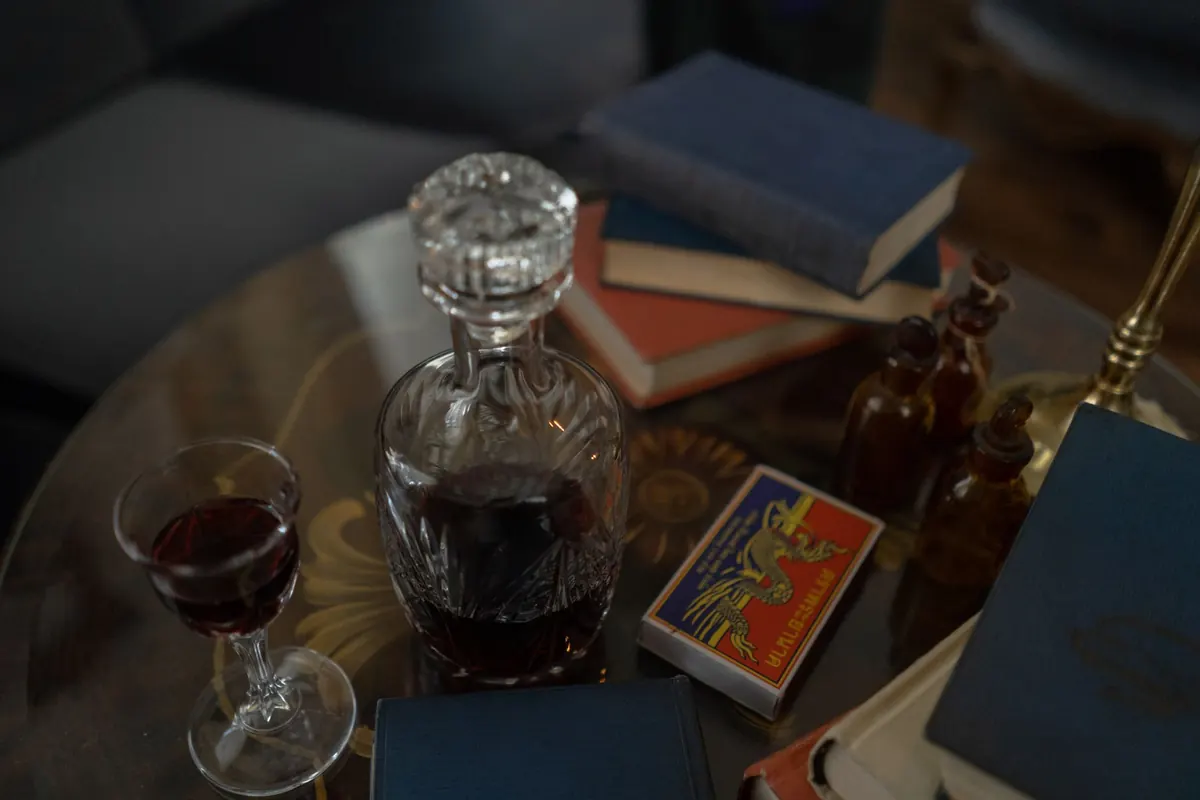
Two other categories sit alongside the big brands. Advertising boxes were printed for individual shops, hotels, tobacconists and breweries, often in tiny runs, which makes them scarcer than mass-market boxes. Imports from Sweden, Japan, India and eastern Europe look quite different and are frequently more colourful, though quality varies enormously.
Dating a box roughly
Look at the small print. A printed address, a telephone number with few digits, or the wording around the safety notice all help place a box in time. Wartime boxes became plain and stingy with ink, so a drab wartime sleeve next to a lavish 1930s one is a useful reminder of what paper rationing did to design.
Condition: how collectors grade a box
Condition does most of the work when it comes to value. Collectors use a rough ladder, and the gap between two grades can be dramatic even for the same design.
- Mint. Unused, uncreased, unfaded, often uncut sheets or boxes that have never been filled.
- Excellent. Unused or very lightly handled; perhaps a soft corner or a faint scuff on the sleeve.
- Good. A complete, struck box with an intact label. Small tears, softened corners and a dulled striker are normal at this grade.
- Fair. Label present but torn, stained, faded or missing a flap; the matches are often gone.
- Poor. Fragments. Useful for reference or artwork, not for display.
The striker panel is usually the first thing to disintegrate, so a box with a clean striker and a sound tray is worth more than its label alone might suggest. Watch for repairs, too: tape, glue stains and trimmed edges all show, and a tray from one maker sitting inside another maker's sleeve — a "marriage" — is something most collectors will pay less for.
What makes a label more desirable
Subject matter drives demand more than age does. Warships, aircraft, trains, flags, maps, animals, flowers and film stars all have their followers, and a strong design can lift an otherwise ordinary box. Beyond that, look for these:
- Chromolithography. Pre-1930 labels printed from stone have a depth and richness that later offset printing rarely matches.
- Complete sets. Numbered series — a run of flags, say, or locomotives — are worth far more together than as odd singles.
- Local advertising. A box naming a specific shop, garage or hotel carries social history that a national brand cannot.
- Errors and variants. Misprints, missing colours and unrecorded colourways interest specialists.
- Rarity, honestly assessed. Common mid-century boxes turn up constantly; scarcity usually comes from short print runs, fragile early card or unusual markets.
For a sense of the market, check sold prices on auction sites rather than the asking prices on listings. Plenty of sellers ask optimistic sums for boxes that change hands for a pound or two inside a mixed lot.
Storing and handling your collection
Matchboxes are fragile in an undramatic way: light, damp and handling do the damage. Keep them in acid-free pockets or a stockbook, in a dry room with a stable temperature, away from windows. Loft, garage and shed are out. Never use Sellotape or household glue for repairs, and avoid PVC sleeves, which can discolour printed card over time.
A note on safety: some older boxes contain matches made with white phosphorus, a compound Britain banned in the early twentieth century because of the harm it did to the people making it. Do not strike antique matches to test them. Where a box is particularly good, many collectors empty it, keep the tray and store the contents separately in a sealed container away from heat.
Getting started without overspending
Pick one theme before you buy anything — British advertising boxes, wartime issues, a single brand — and let that shape what you look for. Mixed lots are the cheapest way to build up volume and learn what is common, and specialist societies and swap meets are where the real knowledge sits. Catalogue as you go, even if it is only a number, a photograph and a note of where each box came from. Provenance fades faster than paper.
Photo: cottonbro studio / Pexels